
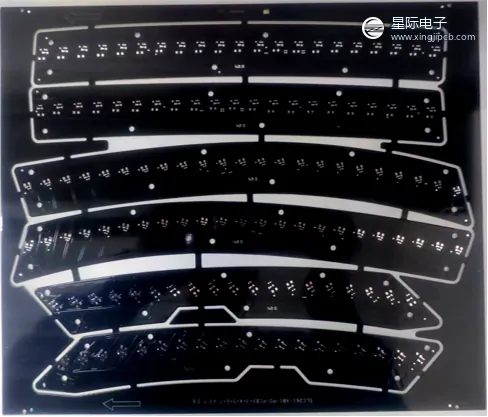
01
Automotive Lighting
Higher lamp power means more heat; long narrow formats demand flatness and controlled thermal paths.
2–4 layersFR-4HASLLong panel
Related board:Automotive Lighting PCB Application solutions for automotive electronics and industrial communication.
Automotive electronics operate under thermal cycling and vibration; interlayer adhesion, barrel copper and lot consistency matter more than in consumer products.
Higher lamp power means more heat; long narrow formats demand flatness and controlled thermal paths.
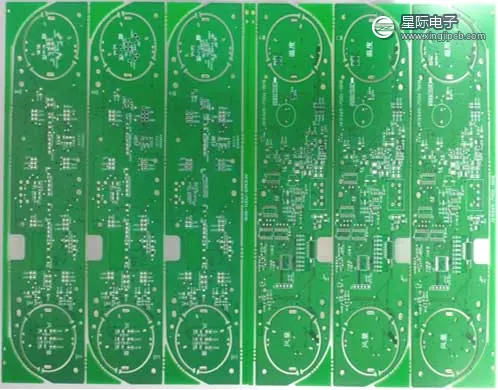
Clusters run continuously; display drivers and backlight control coexist, demanding durable solder mask and legend.
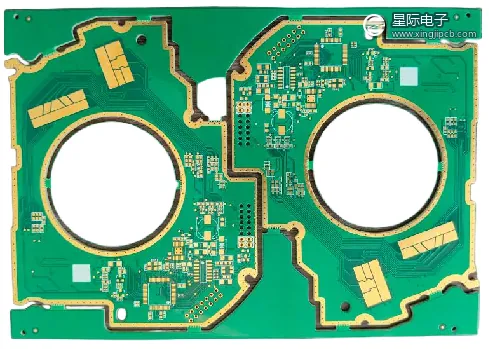
Steering control boards use odd-shaped formats with large cutouts, demanding precise profiling and uniform ENIG thickness.
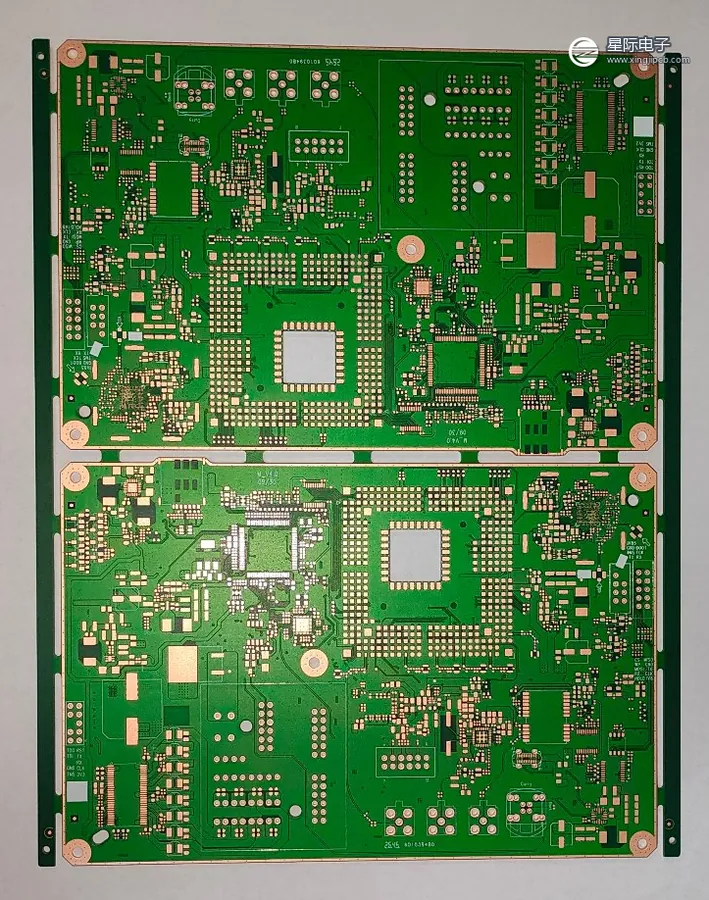
The center console is highly integrated; dense BGA and fine-pitch devices make routing density and signal integrity the main challenges.
Switches and routers run 24/7; impedance consistency, barrel copper reliability and long-term supply stability are critical.
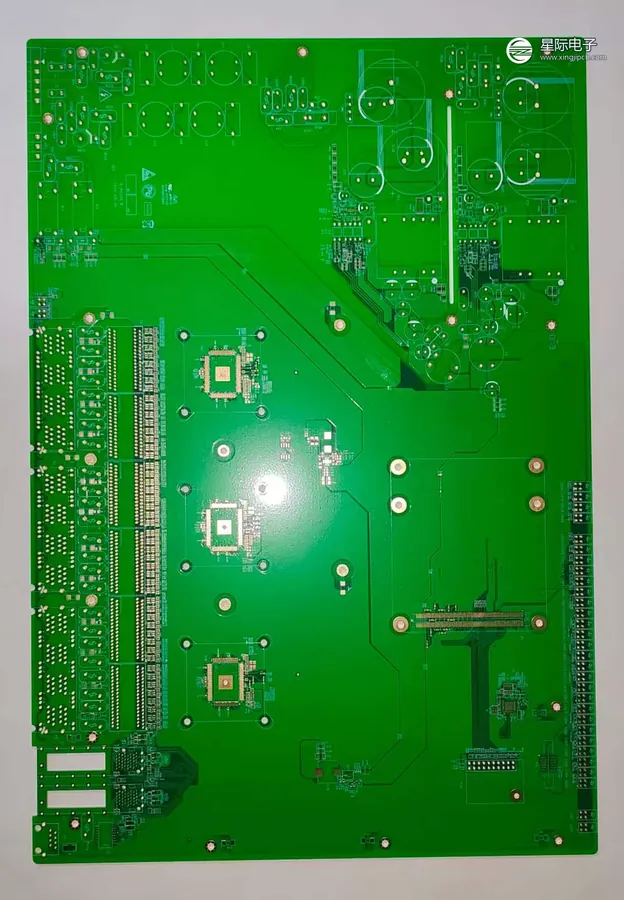
Many high-speed ports in parallel; high layer count and tight impedance control decide link error performance.
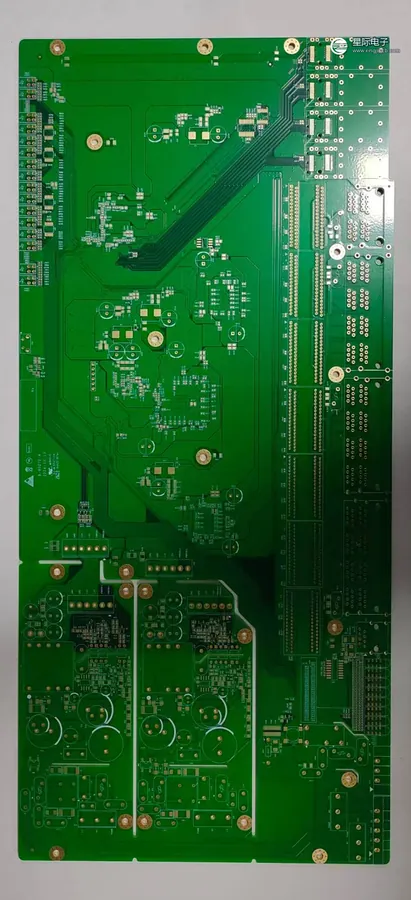
Continuous high load; power and signal segregation with thermal and EMC considerations.
All applications above are in volume production. For a specific project, send Gerber files and technical requirements for engineering review.